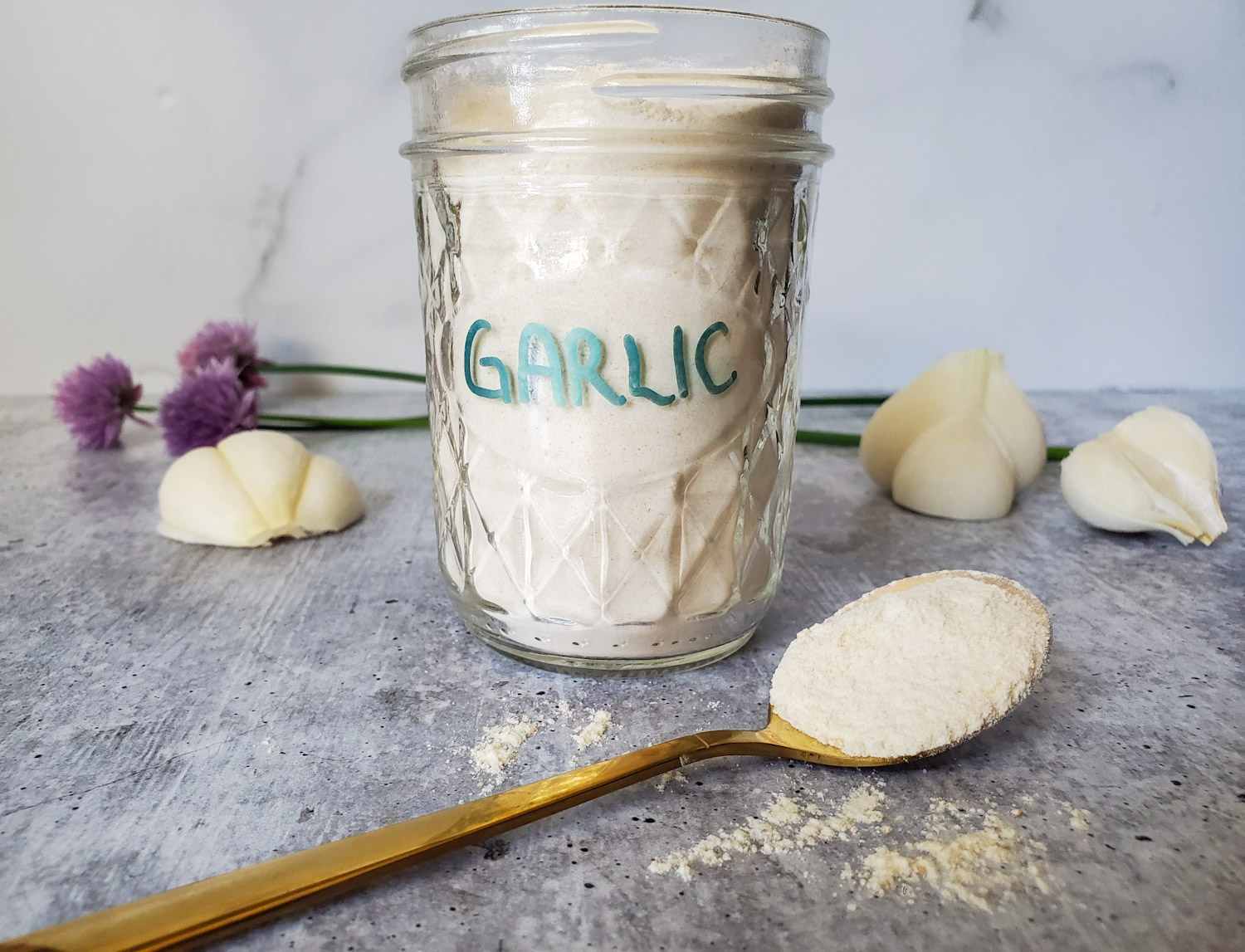
Why Go Homemade? The Unbeatable Taste of Fresh Garlic Powder
Have you ever found yourself with an abundance of fresh garlic, perhaps from a successful garden harvest, a farmers' market haul, or just a few extra heads nearing their prime in your pantry? Instead of letting that precious allium go to waste, imagine transforming it into a versatile, flavor-packed ingredient that will elevate your cooking for months to come. That's precisely what happens when you learn
how to make garlic powder from scratch.
While grabbing a jar of garlic powder from the spice aisle might seem convenient, the homemade version offers a taste experience that simply can't be matched. Commercial powders often undergo intense heat processing and can sit on shelves for extended periods, leading to a dull, almost chalky flavor profile. Your homemade powder, however, bursts with a vibrant, pungent aroma and a deep, savory kick that truly tastes like fresh garlic. It's the difference between a freshly picked tomato and one from a can – both serve a purpose, but one is undeniably superior.
Beyond the incredible flavor, making your own garlic powder is a fantastic way to preserve garlic's inherent goodness. Garlic is renowned for its anti-bacterial, anti-fungal, and immune-boosting properties. By drying it at lower temperatures, especially in a food dehydrator, you can help retain more of these beneficial nutritional compounds, antioxidants, and active enzymes that might be diminished by high heat. It’s a smart move for your pantry and your well-being.
Getting Started: Preparing Your Garlic for Transformation
The journey to making exceptional homemade garlic powder begins with proper preparation. Don't worry, it's a straightforward process that anyone can master.
Choosing Your Garlic
The beauty of making your own garlic powder is that almost any type of garlic will work! Whether you have robust hardneck varieties, longer-lasting softneck types, or even young "green garlic" (spring garlic) and its tender stems, they can all be dehydrated and powdered. If you're growing your own, remember that hardneck garlic typically has a shorter shelf life, making it an excellent candidate for preservation methods like powdering, while softneck can often be saved for fresh eating longer.
The amount of garlic you start with depends on how much powder you want to make. A single head of garlic typically yields about 10-12 cloves and will produce a small batch, perfect for trying it out. For a more substantial supply, scale up accordingly.
Separating and Peeling the Cloves
This is often considered the most time-consuming part, but with a few tricks, it becomes much easier.
1.
Separate the Cloves: Gently break apart the entire head of garlic, separating each individual clove. Discard any cloves that appear moldy, soft, or damaged.
2.
Peel the Cloves: There are a few methods for peeling, choose what works best for you:
*
Fingers: For smaller batches, simply use your fingernail or the tip of a knife to loosen the papery skin and peel it away.
*
Knife Press: Place a clove on your cutting board. Lay the flat side of a chef's knife directly over the clove. Gently press down with the heel of your hand until you hear a slight crack. This loosens the skin without crushing the clove, making it easy to peel.
*
Bowl Method (for larger batches): Place all your separated cloves into two sturdy metal bowls (or a container with a tight lid). Place one bowl inverted over the other, creating a sealed sphere. Shake vigorously for 30-60 seconds. The impact will often loosen and remove most of the skins.
*
Tip: Garlic's natural oils can sometimes be irritating to sensitive skin. If you're processing a large quantity, consider wearing thin gloves or washing your hands frequently.
The Art of Thin Slicing: Crucial for Even Drying
Once your garlic cloves are peeled, the next critical step is slicing them thinly and uniformly. This ensures even drying and prevents some pieces from burning while others remain moist, which can lead to spoilage.
1.
Remove Root Ends: Before slicing, use your knife to trim off the tough, woody root end of each clove. These parts are fibrous and don't contribute to flavor, so they're best removed.
2.
Slice Thinly and Consistently:
*
With a Knife: A sharp chef's knife is your best friend here. Slice each clove as thinly as possible, aiming for pieces no thicker than a coin. Consistency is key, so take your time.
*
With a Mandoline: For superior thinness and uniformity, a mandoline slicer is an excellent tool. Use the thinnest setting. Always use the safety guard to protect your fingers!
Remember, the thinner and more consistent your slices, the faster and more evenly your garlic will dry, leading to a better quality powder.
Drying Your Garlic: Dehydrator vs. Oven Method
Now for the main event: drying the garlic. You have a couple of options, with the food dehydrator being the preferred method for optimal results. For more detailed instructions on both methods, you might find our article
Preserve Garlic's Goodness: Make Powder With Dehydrator or Oven particularly helpful.
Using a Food Dehydrator (Recommended)
A food dehydrator offers precise temperature control, ensuring even drying and preserving more of garlic's delicate flavors and nutrients.
1.
Arrange Slices: Spread the thinly sliced garlic in a single layer on your dehydrator trays. Avoid overcrowding, as this will hinder airflow and prolong drying time.
2.
Set Temperature: Set your dehydrator to a low temperature, ideally between 100-110°F (38-43°C). Staying below 118°F (48°C) is key to preserving those beneficial enzymes and nutritional properties.
3.
Dehydrate: Drying time will vary depending on your dehydrator, slice thickness, and humidity, but typically takes 6-12 hours, sometimes longer.
4.
Check for Dryness: The garlic is fully dehydrated when the slices are brittle, crisp, and snap easily when bent. There should be no moisture or flexibility remaining. If they are still pliable, continue drying.
Drying in the Oven (Alternative)
If you don't have a dehydrator, your oven can serve as an alternative, though it requires more vigilance.
1.
Prepare Baking Sheets: Line baking sheets with parchment paper to prevent sticking. Spread the sliced garlic in a single layer.
2.
Set Oven Temperature: Set your oven to its lowest possible temperature, usually around 150-200°F (65-93°C). If your oven has a "warm" setting, that's often ideal.
3.
Prop Door Open: To allow moisture to escape and prevent "baking" the garlic, prop the oven door open slightly with a wooden spoon.
4.
Dehydrate: This method can take several hours, often 4-8 or more. You'll need to check the garlic frequently, rotating trays and stirring the slices every hour or two to ensure even drying and prevent burning.
5.
Check for Dryness: Like with the dehydrator, the garlic should be completely brittle and crisp.
Transforming Dried Garlic into Powder
Once your garlic slices are thoroughly dry – and we mean *bone dry* – you're ready to turn them into powder. This is where the magic happens!
1.
Ensure Complete Dryness: This step cannot be stressed enough. If your garlic slices have any residual moisture, your powder will clump, potentially mold, and have a significantly shorter shelf life. If in doubt, dry them for a bit longer.
2.
Grind in Batches:
*
Coffee Grinder: A dedicated coffee grinder (used only for spices) is often the best tool for achieving a very fine powder.
*
High-Speed Blender: A powerful blender can also work well, especially for larger quantities.
*
Food Processor: A food processor can produce a coarser powder, which some people prefer, but it might not get as fine as a grinder.
3.
Pulse, Don't Blend Continuously: Place your dried garlic slices into your chosen grinder. Use short pulses rather than continuous blending. This prevents the friction from heating the powder, which can release oils and cause clumping. Pulse until you reach your desired consistency, from a coarse texture to a fine powder.
4.
Sifting (Optional): For an ultra-fine, consistent powder, you can sift the ground garlic through a fine-mesh sieve. Any larger pieces can be returned to the grinder for another pass.
Storing Your Homemade Garlic Powder
Once powdered, immediately transfer your fresh garlic powder to an airtight container. Store it in a cool, dark place, away from direct sunlight and heat, such as a pantry or spice cupboard. While it can last for many months to a year, homemade garlic powder is at its most potent and flavorful in the first few months. To help absorb any residual moisture and prevent clumping, you can even add a few grains of uncooked rice to the bottom of the jar (just don't grind them with the garlic!).
Beyond Basic Powder: Creative Uses and Blends
Now that you know
how to make garlic powder, the culinary possibilities are endless! Its robust flavor makes it incredibly versatile.
*
Everyday Cooking: Sprinkle it into soups, stews, sauces, marinades, and dressings for an instant boost of savory flavor.
*
Seasoning Blends: Create your own signature spice blends. Mix your homemade garlic powder with salt for garlic salt, with black pepper for garlic pepper, or incorporate it into dry rubs for meats, poultry, and fish.
*
Roasting and Grilling: Toss with roasted vegetables, potatoes, or use it as part of a seasoning blend for grilled foods.
*
Snack Time: Sprinkle it on popcorn, homemade potato chips, or toasted nuts for a garlicky kick.
For an even deeper dive into enhancing your culinary creations with homemade garlic powder and more recipe ideas, explore our
Taste the Difference: Easy Homemade Garlic Powder Guide.
In conclusion, transforming excess fresh garlic into your own homemade powder is a rewarding project that yields a superior product to anything you can buy in a store. Armed with this knowledge of
how to make garlic powder, you're not just preserving garlic; you're preserving incredible flavor and adding a powerful, versatile ingredient to your culinary arsenal. Say goodbye to wasted garlic and hello to a pantry staple that will revolutionize your cooking!