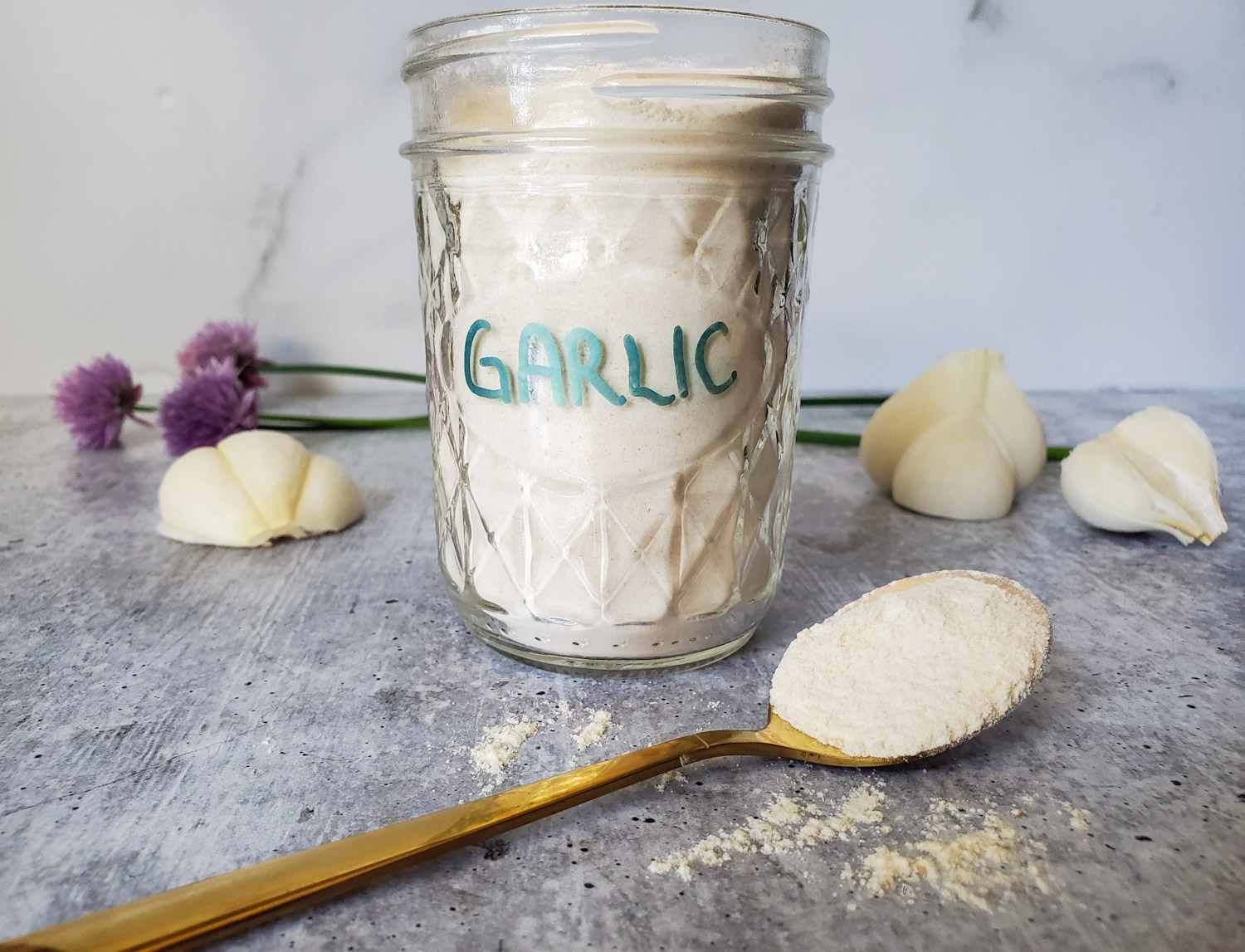
Unlock a world of intense, aromatic flavor right from your own kitchen by mastering how to make garlic powder. While store-bought versions offer convenience, they often fall short in freshness, potency, and sometimes even contain unwanted anti-caking agents. Imagine sprinkling a vibrant, savory kick onto your dishes, knowing it came from pure, fresh garlic, handcrafted by you. This comprehensive guide will walk you through the surprisingly simple process of transforming fresh garlic into a versatile pantry staple, using either a food dehydrator or your oven.
Making homemade garlic powder isn't just about superior taste; it's an excellent way to utilize an abundance of fresh garlic, whether from a bumper garden harvest, a farmer's market haul, or simply an expiring bulk purchase. Instead of letting those precious cloves go to waste, preserve their goodness and elevate your culinary creations. Let's dive in!
Why Homemade Garlic Powder is a Game Changer
You might be wondering, "Is making my own garlic powder really worth the effort?" The resounding answer is yes! The difference between homemade and commercial garlic powder is often described as night and day. Here’s why:
- Unmatched Flavor and Potency: Commercial garlic powder can often taste bland, almost like chalk, compared to the vibrant, pungent flavor of a freshly made batch. Homemade powder retains more of the garlic's essential oils and complex compounds, offering a more robust and authentic taste that truly enhances your cooking.
- Purity You Can Trust: When you make your own, you control every ingredient. This means no anti-caking agents, preservatives, or fillers that are often found in store-bought varieties. You get 100% pure garlic goodness.
- Cost-Effective Preservation: If you're blessed with an excess of fresh garlic, making powder is an economical way to preserve it for long-term use. It prevents waste and ensures you always have this essential seasoning on hand. This method is a fantastic example of Turn Excess Garlic Into Flavor: Your Homemade Powder Guide.
- Versatility in the Kitchen: Homemade garlic powder seamlessly integrates into everyday meals, from rubs and marinades to sauces, soups, and seasoning blends like garlic salt or pepper. Its fine texture means it disperses evenly, infusing dishes with consistent flavor.
- Nutritional Value: When dried at lower temperatures, homemade garlic powder can better retain some of garlic's celebrated nutritional properties, including its anti-bacterial, anti-fungal, and immune-boosting compounds.
Getting Started: Preparing Your Garlic
The foundation of exceptional garlic powder begins with proper preparation. This stage is crucial for ensuring even drying and a high-quality end product.
Choosing Your Garlic
You can use any type of garlic for making powder, but understanding varieties can optimize your results:
- Hardneck vs. Softneck: Hardneck varieties, often recognized by their stiff central stalk (scape), tend to have a shorter shelf life than softneck types. They typically begin to soften or spoil within a few months after harvest. This makes hardneck garlic an excellent candidate for immediate preservation methods like powdering, freeing up your longer-lasting softneck garlic for fresh eating.
- Green Garlic (Spring Garlic): Don't overlook this seasonal delicacy! Immature or young garlic that hasn't formed distinct cloves can also be used. The tender green stems are packed with flavor and can be dried along with the bulbs.
- Quality Matters: Regardless of variety, always choose firm, fresh garlic bulbs free from mold, sprouts, or soft spots. The better the initial quality, the better your powder will taste.
Peeling and Slicing
This is arguably the most labor-intensive part of the process, but there are tricks to make it easier.
- Separate the Cloves: Begin by breaking apart the garlic heads into individual cloves. The amount of powder you desire will dictate how many heads you process. A single head typically yields about 10-12 cloves.
- Peel the Cloves: Removing the papery skin can be tedious. Here are a few methods:
- The Smash Method: Place a clove on your cutting board, lay the flat side of your chef’s knife directly on top, and gently push down or tap with your palm to crack and loosen the skin. Be careful not to mash the clove completely if you want to slice it neatly.
- The Shake Method: For larger batches, place cloves in two sturdy bowls of the same size, place one on top of the other, and shake vigorously for 30-60 seconds. The friction often separates the skins.
- Hot Water Soak: Briefly submerging cloves in hot water for a minute or two can make the skins much easier to slip off.
- Manual Peeling: For those stubborn skins, use your fingers to peel them away. Be aware that garlic's natural oils can be potent and may cause a mild burning sensation on sensitive skin; wearing gloves can help.
- Trim and Slice Thinly:
- Once peeled, use a sharp knife to trim off the tough root ends of each clove. These parts are fibrous and don't contribute positively to the flavor or texture of the powder.
- The key to successful drying is uniform, thin slices. Aim for slices that are as consistent as possible, ideally 1/8 to 1/16 inch thick. Thinner slices dry faster and more evenly, reducing the risk of spoilage.
- A mandoline slicer can be an invaluable tool for achieving consistent thickness, significantly speeding up this step for larger quantities. If using a knife, take your time to ensure uniformity.
The Drying Process: Dehydrator vs. Oven
Now that your garlic is prepped, it's time to remove all that moisture. Both a food dehydrator and an oven can do the job, but each has its advantages.
Using a Food Dehydrator
A food dehydrator is often the preferred method for its efficiency and gentle drying capabilities.
- Setup: Arrange the thinly sliced garlic in a single layer on your dehydrator trays. Ensure there's enough space between slices for air to circulate freely. Overcrowding will prolong drying time.
- Temperature Control is Key: Set your dehydrator to a low temperature, ideally between 100-110°F (38-43°C). This low heat is crucial for preserving garlic's beneficial nutritional properties, antioxidants, and active enzymes, which can be diminished when exposed to temperatures above 118°F (48°C). This gentle approach ensures you're not just drying, but also preserving the inherent goodness of the garlic.
- Drying Time: Dehydrating garlic can take anywhere from 8 to 16 hours, sometimes longer, depending on the thickness of your slices, the humidity, and your dehydrator model. The beauty of a dehydrator is its "set it and forget it" nature; it requires minimal supervision compared to oven drying.
- Checking for Dryness: The garlic slices are fully dried when they are brittle, crisp, and snap easily when bent. There should be no pliability or moisture detectable.
Using Your Oven
If you don't have a dehydrator, your oven can serve as a viable alternative, though it requires more vigilance.
- Setup: Spread the thinly sliced garlic in a single layer on parchment-lined baking sheets. As with the dehydrator, avoid overcrowding.
- Lowest Temperature Setting: Preheat your oven to its absolute lowest temperature setting, typically around 150-170°F (65-77°C). If your oven runs hotter, you might need to prop the oven door open slightly with a wooden spoon to allow moisture to escape and prevent overheating.
- Drying Time and Monitoring: Oven drying can take 2-6 hours, but this can vary significantly. You'll need to check the garlic frequently, every 30-60 minutes, turning or stirring the slices to ensure even drying and prevent burning. Garlic can go from perfectly dry to burnt very quickly in an oven.
- Checking for Dryness: Like with the dehydrator, the garlic slices should be completely brittle and crisp. Any chewiness or softness indicates more drying time is needed.
From Dried Slices to Fine Powder
Once your garlic slices are thoroughly dry and cool, it's time for the exciting final step: turning them into powder.
- Grinding Tools: You'll need a suitable grinding tool. Options include:
- Spice Grinder: This is often the best choice for achieving a fine, consistent powder.
- Coffee Grinder: If you use a coffee grinder, it’s best to dedicate one solely for spices, as residual coffee oils can impart unwanted flavors.
- Food Processor: For larger batches, a food processor can work, but it might not produce as fine a powder as a spice or coffee grinder. You may need to process it in smaller batches and then use a finer grinder for the final touch.
- Grinding Process: Place the dried garlic slices into your chosen grinder. Grind in short pulses rather than continuously. This helps prevent the garlic from heating up and clumping, and allows you to control the consistency. Continue pulsing until you reach your desired fineness – a very fine powder is ideal for even distribution in dishes.
- Sifting (Optional): For an ultra-fine, uniform powder, you can sift your freshly ground garlic powder through a fine-mesh sieve. Any larger pieces caught in the sieve can be returned to the grinder for another pass.
Storing Your Homemade Garlic Powder
Proper storage is essential to maintain the potency and freshness of your homemade garlic powder.
- Airtight Container: Transfer the cooled garlic powder to an airtight jar or container. Mason jars with tight-fitting lids are excellent choices.
- Cool, Dark Place: Store your container in a cool, dark pantry or cupboard, away from direct sunlight and heat, which can degrade its flavor and shelf life.
- Desiccant Packet (Optional): To combat potential moisture and prevent clumping, you can add a small food-safe desiccant packet to your container.
- Shelf Life: Stored correctly, homemade garlic powder can maintain its peak flavor and aroma for 6 months to a year or even longer. You'll notice it start to lose potency over time, indicating it's time to make a fresh batch.
Mastering Taste the Difference: Easy Homemade Garlic Powder Guide is a rewarding culinary skill that pays dividends in flavor. The initial effort yields a pantry staple that will elevate your cooking and fill your kitchen with the rich, authentic aroma of fresh garlic. Once you experience the superior taste of your own homemade garlic powder, you'll likely never go back to store-bought again. Happy powdering!
